A bite that does not line up can affect comfort, chewing, and long-term dental health. Small details during orthodontic treatment often make a big difference in how well things improve. That is where rubber bands come in.
These elastics apply steady pressure that braces alone cannot provide. They help guide the jaws into a healthier position over time. This article explains how braces and rubber bands support bite correction, why daily wear matters, and how they fit into proper braces care using orthodontic rubber bands as part of treatment.
What Are Rubber Bands in Braces?
Rubber bands in braces, also known as orthodontic elastics, are small, flexible bands that connect specific brackets on the upper and lower teeth. They apply steady pressure that helps guide the jaws into better alignment while braces move individual teeth into position. This added force supports bite correction in ways that wires and brackets alone cannot achieve.
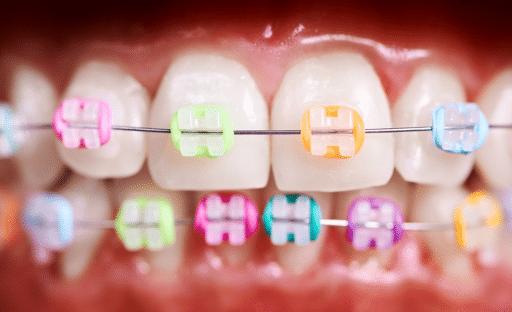
These elastics are different from the tiny colored bands that hold the archwire to each bracket. Rubber bands for bite correction are removable and are typically worn in a specific pattern designed by your orthodontist. The placement and strength depend on your unique bite concerns, such as an overbite, underbite, or crossbite.
When worn consistently, rubber bands help coordinate how the upper and lower teeth come together. Over time, this improves how your bite feels and functions, supporting more stable and predictable results once braces are removed.
What Rubber Bands Do During Bite Correction With Braces
Rubber bands play a key role in guiding how the upper and lower teeth come together. Braces move teeth into position, but elastics help direct jaw movement. This added force supports changes that wires and brackets cannot handle alone.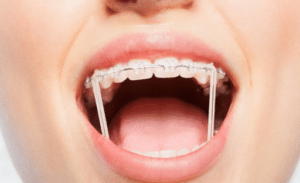
During bite correction with braces, rubber bands connect specific teeth to encourage balanced contact. Different patterns apply pressure in controlled directions. Your orthodontist selects the setup based on how your bite needs to improve. Wearing them as instructed helps the teeth and jaws adjust together.
Over time, consistent elastic wear improves how the bite feels and functions. Chewing becomes more comfortable, and uneven pressure decreases. These changes also support stable results once braces are removed.
Why Wearing Braces Rubber Bands Is Important for Long-Term Results
Rubber bands are not an optional part of treatment. They provide the control needed to guide the bite into a stable position. Skipping them can slow progress and affect how well the teeth fit together at the end.
When elastic bands for braces are not worn as directed, several issues can occur:
- Bite correction may stall or reverse
- Treatment time may increase
- Final results may feel uneven or uncomfortable
Consistent wear helps the bite settle properly as the teeth move. It also reduces the chance of relapse after braces come off. Following instructions closely gives the orthodontist the ability to fine-tune alignment and protect long-term outcomes.
How Rubber Bands Fit Into Daily Braces Care
Rubber bands become part of your daily routine once they are prescribed. They work alongside brackets and wires to keep tooth movement on track. Small habits can affect how well they perform.
Learning how to take care of braces includes paying attention to elastic wear. Bands should be changed as instructed and replaced if they stretch or break. Clean hands and proper placement. helps avoid irritation and reduces the risk of damage. When rubber bands are used correctly, they support steady progress between visits.
Braces Care Dos and Don’ts When Wearing Rubber Bands
Wearing rubber bands adds responsibility to daily orthodontic care. Small choices can protect progress or create setbacks. Paying attention to routine habits helps treatment stay on schedule.
Brace care dos and don’ts are especially important once elastics are involved:
- Do wear rubber bands exactly as prescribed
- Do replace bands as directed to keep pressure consistent
- Don’t remove bands for long periods
- Don’t double up bands unless instructed
Following these guidelines helps prevent unnecessary discomfort and delays. Consistent habits support smoother adjustments and a more predictable outcome. Consistency helps keep treatment predictable and reduces unexpected delays.
The Best Way to Maintain Braces While Using Rubber Bands
Good maintenance supports steady progress during orthodontic treatment. Rubber bands increase the need for attention to daily care. Simple habits help protect both the braces and the bite correction process.
The best way to maintain braces includes keeping bands clean, replacing them on schedule, and following eating guidelines. Sticky or hard foods can damage brackets and affect elastic placement. Gentle brushing and regular cleaning reduce irritation and support oral health.
Strong daily routines make treatment more predictable. They also help reduce discomfort and limit avoidable setbacks. Consistent care allows rubber bands to do their job effectively.
What Happens If Rubber Bands Are Not Worn as Directed
Rubber bands only work when they are worn consistently. Removing them too often or wearing them incorrectly can reduce their effectiveness. This can lead to slower progress and less predictable bite changes.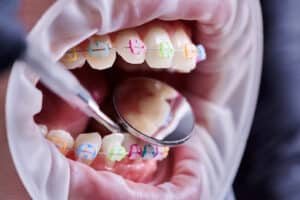
When elastics are not used as instructed, the teeth and jaws may not move together as planned. This can result in extra adjustments or longer treatment time. Staying consistent helps keep treatment on track and supports a smoother overall experience.
Common Questions About Rubber Bands and Braces
Do rubber bands cause pain when first worn?
Mild soreness or pressure is common when rubber bands are first introduced. This usually improves within a few days as the teeth and jaws adjust to the added force.
What happens if I forget to wear my rubber bands for a day?
Skipping a day can interrupt progress and allow the bite to shift out of alignment. When bands are worn again, the pressure may feel stronger until things settle.
How long will I need to wear rubber bands during treatment?
The length of time depends on how your bite responds and how consistently the bands are worn. Your orthodontist will monitor progress and adjust elastic use as needed.
Can I eat while wearing rubber bands?
Some patients are advised to remove rubber bands while eating, while others may keep them in place. Following your orthodontist’s guidance helps prevent broken bands and uneven pressure.
How often should rubber bands be replaced each day?
Rubber bands gradually lose elasticity as they stretch throughout the day. Changing them as instructed helps keep pressure consistent and supports steady bite improvement.
Trusted Bite Correction Care at Dr. Bob Bryan Orthodontics
At Dr. Bob Bryan Orthodontics, we focus on helping patients achieve healthy, confident smiles through thoughtful orthodontic care. Our team works with children, teens, and adults, taking the time to explain treatment steps and support proper bite correction throughout the braces process. We believe clear guidance and consistent follow-through make a meaningful difference in long-term results.
We proudly care for patients from Allentown and Hamburg, providing personalized orthodontic solutions in a welcoming environment. For families exploring braces in Allentown, we emphasize education, comfort, and proven techniques that support lasting alignment.
If you have questions about rubber bands, bite correction, or your treatment plan, we invite you to schedule a consultation with our team today.