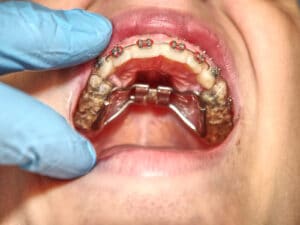

Seeing space appear after your child finishes early orthodontic care can be unsettling. Many parents expect teeth to look finished once braces come off, so changes afterward can raise questions. An early braces gap often shows up during growth, not because something went wrong, but because development is still happening.
This article explains why spacing can appear after early treatment and what it usually means for your child’s smile over time.
How Early Orthodontics Supports Healthy Growth
Early orthodontic care focuses on guiding development while the jaws and teeth are still changing. Treatment at this stage is often designed to improve spacing, support jaw growth, and reduce the risk of more complex problems later. It is not meant to create a final result, but to set the foundation for what comes next.
During Early Orthodontics, teeth may be moved into positions that allow room for permanent teeth that have not yet erupted. As the jaw continues to grow, spacing can shift in ways that look unexpected at first. This process is intentional and closely monitored. 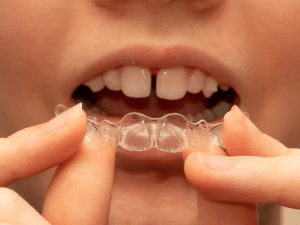
- Jaw growth does not stop when braces are removed
- Permanent teeth follow their own eruption timeline
- Spacing can help prevent crowding later on
The goal of this early phase is balance, not perfection. Changes after treatment often reflect normal growth patterns rather than relapse or treatment failure.
Why Gaps Can Develop After Braces Come Off
Spacing after early braces is often linked to normal growth patterns. Children’s jaws continue to change for years, and teeth respond to that movement. As space opens or shifts, it can look sudden even though it is part of a longer process.
Several factors influence why gaps appear at this stage. These changes do not happen all at once and can vary from child to child.
- Permanent teeth may still be erupting
- The jaw can widen as growth continues
- Baby teeth may have guided spacing earlier
- Bite adjustments can affect alignment
In many cases, these gaps are planned and temporary. They allow future teeth to come in with better positioning and less crowding.
What an Early Braces Gap Usually Signals
An early braces gap is often a sign that growth is moving in the right direction. Orthodontists sometimes allow space on purpose, so incoming permanent teeth have room to settle into healthier positions. This approach can reduce crowding and support better alignment later.
Spacing at this stage can also reflect jaw development that continues after braces are removed. As the bite changes, teeth may shift slightly to adjust. These changes are watched over time to be sure they stay within a healthy range.
For many families, this phase requires patience rather than action. Regular checkups help confirm that spacing is part of normal development and not a concern that needs immediate correction.
Orthodontics for Kids and Long-Term Treatment Planning
Orthodontics for kids often follows a phased approach. Early care focuses on growth and spacing, while later treatment fine-tunes alignment once most permanent teeth are in place. This planning helps reduce the need for more complex corrections later.
Long-term planning considers how the teeth, jaw, and bite are expected to change over time. A child’s smile is not static, so treatment decisions are made with future development in mind. 
- Creating room for permanent teeth
- Supporting balanced jaw growth
- Reducing the chance of severe crowding
- Improving bite function as teeth erupt
By thinking ahead, orthodontic care stays flexible and responsive as children grow. This approach helps ensure that early progress supports a healthy, stable outcome later on.
When to Monitor Changes and When to Schedule a Follow-Up
Some spacing after early care simply needs observation. If your child is comfortable and teeth are erupting as expected, monitoring is often the right step. Regular checkups allow progress to be tracked without unnecessary intervention.
There are times when a follow-up is helpful. Rapid spacing changes, uneven eruption, or bite concerns may call for a closer look. Families receiving early orthodontic treatment in Allentown often benefit from periodic evaluations to confirm that growth remains on track.
Clear guidance makes this stage easier for parents. Knowing when to watch and when to check in helps prevent worry and supports steady, healthy development.
Frequently Asked Questions About Early Orthodontic Gaps
1. Is it normal for teeth to shift after early braces are removed?
Yes, movement can happen as the jaw and permanent teeth continue to develop. This change is often expected and monitored over time.
2. Can gaps close on their own as permanent teeth come in?
In many cases, spacing reduces naturally as adult teeth erupt. Growth patterns play a major role in how this happens.
3. Does a gap mean treatment did not work?
A gap does not mean early care failed. It often reflects planned spacing that supports healthier alignment later.
4. How often should my child be checked after early treatment?
Checkups are usually spaced out based on growth and eruption patterns. Your orthodontist will recommend a schedule that fits your child’s needs.
5. Will my child need braces again later on?
Some children do need a second phase of treatment once most permanent teeth are in place. Early care helps make that phase shorter and more predictable.
6. Can habits affect spacing after early braces?
Thumb sucking, tongue posture, and oral habits can influence how teeth shift. These factors are often reviewed during follow-up visits.
7. Should we be concerned if the gap seems uneven?
Uneven spacing can happen as teeth erupt at different times. It is usually monitored to be sure it levels out as growth continues.
Supporting Growing Smiles with Dr. Bob Bryan Orthodontics
At Dr. Bob Bryan Orthodontics, we work with families every day who have questions about changes they see after early orthodontic care. With offices in Allentown and Hamburg, we focus on helping children, teens, and adults understand how growth affects the smile and what to expect as teeth and jaws continue to develop. Our experience allows us to watch these changes carefully and explain what is normal at each stage.
We believe parents feel more confident when they understand what is happening and why. Our team takes the time to review progress, answer questions, and explain how early care fits into long-term orthodontic planning.
If you have concerns about spacing or want reassurance about your child’s development, we invite you to schedule an appointment and speak with us directly.