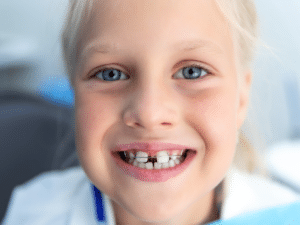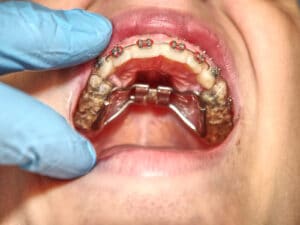

Choosing the right time to start orthodontic treatment is one of the most common concerns parents have.
Many people ask, what is the good age to get braces? Others wonder about the best age to get teeth braces
for long-term results. The truth is that there is no single “perfect” age that applies to everyone.
However, orthodontists agree that certain stages of growth offer clear advantages.
In most cases, children between the ages of 10 and 14 are considered ideal candidates for braces.
At this stage, most permanent teeth have erupted, and the jaw is still developing. This combination
makes it easier to guide teeth into proper alignment. But that does not mean younger children or adults
cannot benefit from orthodontic care. The right timing depends on individual dental development,
bite concerns, and overall oral health.
Why Age Matters in Orthodontic Treatment
Braces work by applying gentle, consistent pressure to gradually move teeth into better alignment.
When a child is still growing, the jawbone is more adaptable. This allows orthodontists to correct
crowding, spacing, overbites, underbites, and other alignment issues more efficiently.
During the pre-teen and early teenage years, the bone surrounding the teeth is softer and more responsive
to movement. As a result, treatment may progress more smoothly. Adults can still achieve excellent results,
but tooth movement may take slightly longer because bone density increases with age.
When Should a Child First See an Orthodontist?
Even though braces are commonly placed between ages 10 and 14, orthodontic evaluations often begin earlier.
Many professionals recommend a first orthodontic check-up around age 7. At this stage, a specialist can
identify potential bite problems, jaw growth concerns, or spacing issues before they become more complex.
An early visit does not necessarily mean your child will need braces immediately. Instead, it allows the
orthodontist to monitor development and determine the most appropriate time to begin treatment.
In some cases, early intervention often called Phase 1 treatment can guide jaw growth and create
space for permanent teeth, reducing the need for more extensive treatment later.
Is There a Good Age to Get Braces for Teens?
The teenage years are the most common time for braces. By ages 11 to 14, most permanent teeth are in place,
making it easier to correct alignment issues comprehensively. Additionally, teenagers are generally mature
enough to follow care instructions, maintain oral hygiene, and attend regular appointments.
For many families, this stage represents the best age to get teeth braces because growth is still occurring
while emotional readiness is higher. Teens often adapt quickly to braces and understand the long-term
benefits of a straighter smile.
Can Adults Get Braces?
Absolutely. There is no upper age limit for orthodontic treatment. Many adults seek braces in their
20s, 30s, 40s, and beyond. Advances in orthodontics have made treatment more discreet and comfortable
than ever before, including clear braces and aligners.
While adult treatment may take slightly longer due to fully developed bones, the results can be just as
effective. In fact, many adults pursue braces not only for cosmetic reasons but also to improve bite
function, reduce jaw discomfort, and support long-term oral health.
Signs It May Be the Right Time for Braces
Rather than focusing solely on age, it is important to watch for specific signs that indicate a need
for orthodontic evaluation. These include:
– Crowded or overlapping teeth
– Noticeable gaps between teeth
– Overbite, underbite, or crossbite
– Difficulty chewing or biting
– Mouth breathing
– Early or late loss of baby teeth
– Jaw clicking or shifting
If you notice any of these concerns, scheduling a consultation can help determine the most appropriate
treatment timeline.
What Happens If You Wait Too Long?
Delaying braces does not always create serious problems, but untreated alignment issues can worsen over time.
Crowded teeth may become harder to clean, increasing the risk of cavities and gum disease. Bite problems
can lead to uneven tooth wear or jaw discomfort.
For children, waiting too long may mean missing the opportunity to guide jaw development naturally.
For adults, postponing treatment may result in more complex corrections later. Early evaluation ensures
that problems are addressed at the right stage of development.
Factors That Determine the Best Age for Braces
Every patient is different. Orthodontists consider several factors before recommending treatment, including:
– The severity of misalignment
– Jaw growth patterns
– The number of permanent teeth present
– Oral hygiene habits
– Patient maturity and cooperation
– Overall dental health
Because these factors vary, the good age to get braces depends on individual needs rather than a fixed number.
Early Treatment vs. Comprehensive Treatment
In some cases, orthodontic care is divided into two phases. Phase 1 treatment may begin between ages
7 and 10 to address significant bite or jaw issues. Phase 2 typically occurs during the early teen years
when all permanent teeth have erupted.
Not every child requires two-phase treatment. Many patients begin and complete braces in their teenage years.
An orthodontic consultation helps determine whether early intervention is necessary.
How Long Do Braces Typically Last?
Treatment time varies depending on the complexity of the case. On average, braces are worn for
18 to 24 months. Younger patients may experience slightly faster adjustments due to ongoing growth,
while adult cases may take a bit longer. Consistent appointment attendance and proper oral care
play a major role in achieving timely results.
The Importance of a Professional Evaluation
While general guidelines suggest that the best age to get teeth braces is between 10 and 14,
the most reliable way to determine timing is through a professional orthodontic assessment.
A specialist can evaluate growth patterns, take diagnostic images, and create a customised plan
based on your child’s or your own dental needs.